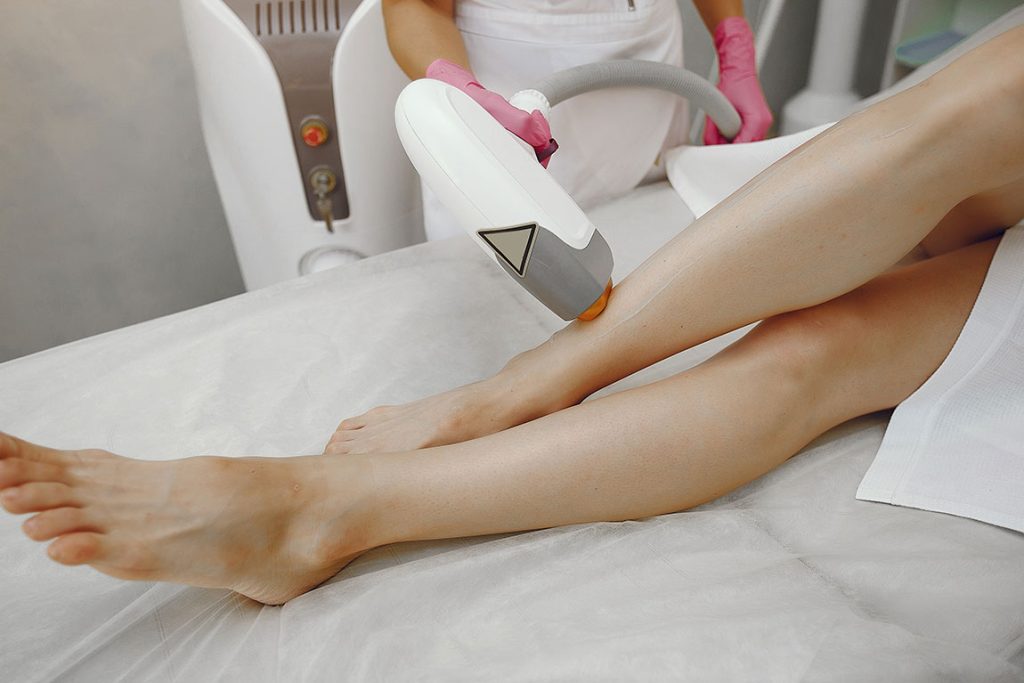
Laser hair removal is a simple idea with smart science behind it. A focused beam of light finds the pigment in your hair and warms the root so it stops growing. People choose it because shaving can be daily, waxing can be messy, and ingrown hairs can be painful. With a series of sessions, many notice far less hair and smoother skin. It is not instant, and it is not a one-time fix, but it can reduce growth for the long term. You still need a plan, good aftercare, and the right device for your skin. This guide breaks the process into clear steps so you know what to expect, what the tech does, and how to get the most from each visit.
What Laser Hair Removal Is
Laser hair removal is a method for long-term hair reduction. A handheld device sends light at a specific color (wavelength). That light aims for melanin, the pigment that gives hair its color. The goal is to disable the hair follicle without harming nearby skin. Unlike shaving, which cuts the shaft, or waxing, which pulls it out, laser targets the structure that makes the hair. Results build over time because hair grows in cycles. After several sessions, many people see fewer, finer hairs. It works on most body areas—upper lip, chin, underarms, arms, legs, chest, back, and bikini. It can also help with razor bumps by reducing the chance of hair curling back into the skin.
How the Light Works
The guiding principle is “selective photothermolysis.” In simple words, the light is chosen so that hair absorbs it more than skin does. When the hair absorbs light, it turns to heat for a tiny moment. That heat travels down to the follicle’s growth center and slows or stops new growth. Key settings include wavelength (color of light), fluence (energy per area, measured in J/cm²), pulse duration (how long the light is on, in milliseconds), and spot size (diameter of the beam). If the pulse is too short or too long for your hair thickness, you may not get an ideal outcome. Cooling—by cold air, chilled tips, or a short spray—keeps the skin surface comfortable and helps protect it.
Hair Growth Cycle Basics
Hair grows in three phases: anagen (active), catagen (transition), and telogen (resting). Laser works best during anagen, when the hair is attached to the follicle’s base. Because not all hairs are in anagen at once, you need multiple visits. Face areas often cycle faster, so sessions may be spaced about 4–6 weeks apart. Body areas can be 6–8 (sometimes up to 10–12) weeks apart. Each pass targets the fraction of hairs that are ready. Over time, fewer hairs return, and those that do are usually softer and lighter. Skipping appointments can slow results because you miss the right phase. A steady schedule that matches your body area makes the most of each pulse.
Common Devices and Wavelengths
Different devices use different wavelengths, each with strengths:
- 755 nm Alexandrite: Often chosen for lighter skin with finer to medium hair. Melanin absorbs it well.
- 800–810 nm Diode: A flexible workhorse for many skin types with good depth for coarse hair.
- 1064 nm Nd:YAG: Less melanin absorption in skin, so it’s often used for deeper skin tones.
Wavelength is only part of the story. Spot size affects depth; larger spots can reach deeper follicles. Fluence and pulse duration match hair thickness: coarse hair may need higher energy and longer pulses. Cooling style matters too—contact sapphire tips, chilled air, or brief cryogen bursts. Note: IPL (intense pulsed light) is not a laser; it’s a broad light source with filters. Some people respond well to IPL, but true lasers deliver one defined wavelength for consistent targeting.
Who Makes A Good Candidate
Great outcomes happen when hair and skin offer a clear contrast, but many people can still benefit. Dark hair on light to medium skin often responds quickly because the laser sees pigment in hair more than skin. Darker skin types can do well with 1064 nm Nd: YAG, which is designed to spare skin pigment. Very light, gray, or red hair has little melanin, so results can be limited. Hormones also play a role. Areas influenced by hormones—face, chest, lower abdomen—may need more sessions or future touch-ups. Recent tans, spray tans, and some photosensitizing medicines can raise risk, so timing matters. A proper consultation checks medical history, recent sun exposure, hair color, skin type, and your goals before building a safe plan.
Session Feel And Safety
A session starts with shaved skin (no waxing beforehand) and clean, dry skin. You’ll wear eye shields; the provider may mark and grid the area for even coverage. Each pulse can feel like a quick snap with heat that fades fast. Modern systems pair energy with cooling, so many people tolerate treatment well. Expect a mild “singed hair” smell—that’s normal. A small test spot helps set energy levels safely. Temporary redness and perifollicular edema (tiny bumps around follicles) are common signs that the follicle has heated as planned and usually settle within hours. Good clinics track settings, your response, and any changes in meds or sun exposure. Consistent note-taking session to session keeps progress steady and safe.
Prep And Aftercare Steps
Simple steps help protect skin and boost results:
- Four weeks before: Avoid waxing, sugaring, or threading; shaving is fine.
- Two weeks before: Minimize sun and stop self-tanners; use broad-spectrum SPF 30+ daily.
- Three days before: Pause exfoliating acids or retinoids on the area unless told otherwise.
- Day of treatment: Arrive clean, shaved, and without lotion, oil, or makeup on the site.
- Right after: Cool packs for comfort; avoid hot tubs, saunas, and hard workouts for 24 hours.
- For one week: Gentle cleanser and moisturizer; daily SPF on exposed areas; no picking of ingrown.
- Between visits: Shave if needed; stay on schedule so more hairs are treated in the active phase.
Myths And Quick Facts
- Myth: It removes every hair forever.
Fact: It reduces most growth in the long term; some fine regrowth or upkeep is normal. - Myth: It only works on legs.
Fact: Many areas can be treated, including the face, underarms, back, and bikini. - Myth: Dark skin cannot be treated.
Fact: With 1064 nm settings and trained care, deeper tones can be treated safely. - Myth: You can’t shave between visits.
Fact: Shaving is recommended; just don’t wax or tweeze. - Myth: More energy is always better.
Fact: Settings must match hair, skin type, and cooling for safe, steady progress. - Myth: IPL and lasers are the same.
Fact: IPL is broadband; lasers use one wavelength.
Limits, Costs, And Results
Expect a series of 6–8 sessions for many body areas, sometimes more for the face or hormone-sensitive zones. A typical outcome is a large drop in hair density and slower regrowth, with some fine hairs left. Many people choose a maintenance visit once or twice a year. Costs vary by area size, device, and region. Small zones (upper lip or chin) are usually lower per session; larger zones (legs, back) cost more but also bring time savings over the years. When you compare it to years of waxing and razors, many find the long-term value strong. There are limits: very light or white hairs respond poorly; recent tans raise risk; and certain meds or skin conditions may delay treatment. A careful consult sets clear expectations.
Friendly Wrap-Up And Next Steps
Laser hair removal uses focused light to slow hair growth at its source. Results build in steps, so a steady schedule, smart settings, and simple aftercare are your best tools. Choose a provider who understands skin tones, hair types, and device settings, and who keeps good notes between visits. If you’re curious, start with a small area and a test patch to see how your skin responds. Bring a list of meds, note any sun exposure, and ask how many sessions your area usually needs. Ready to plan your smooth-skin journey or ask questions about your goals? Reach out to a trusted local studio like Atlanta Laser Lofts for a friendly consult and a clear, practical treatment plan that fits your life.